
Virtual therapy isn’t new. It wasn’t even new when the pandemic hit six years ago. But it was new to me.
At the time, I was working in a hospital outpatient program, running both group and individual therapy five days a week for multiple hours a day. I had a strong, supportive team and a routine that felt effective and grounded. I didn’t see the shift to fully virtual care coming—and when it did, I had a lot of feelings about it.
At best, I was skeptical. At worst, I was terrified. It was a lot of pressure.
I kept thinking: How will groups even translate to a screen? Will clients still open up? Can we really provide the same level of care virtually?
At the time, I didn’t have those answers. Now, I do.
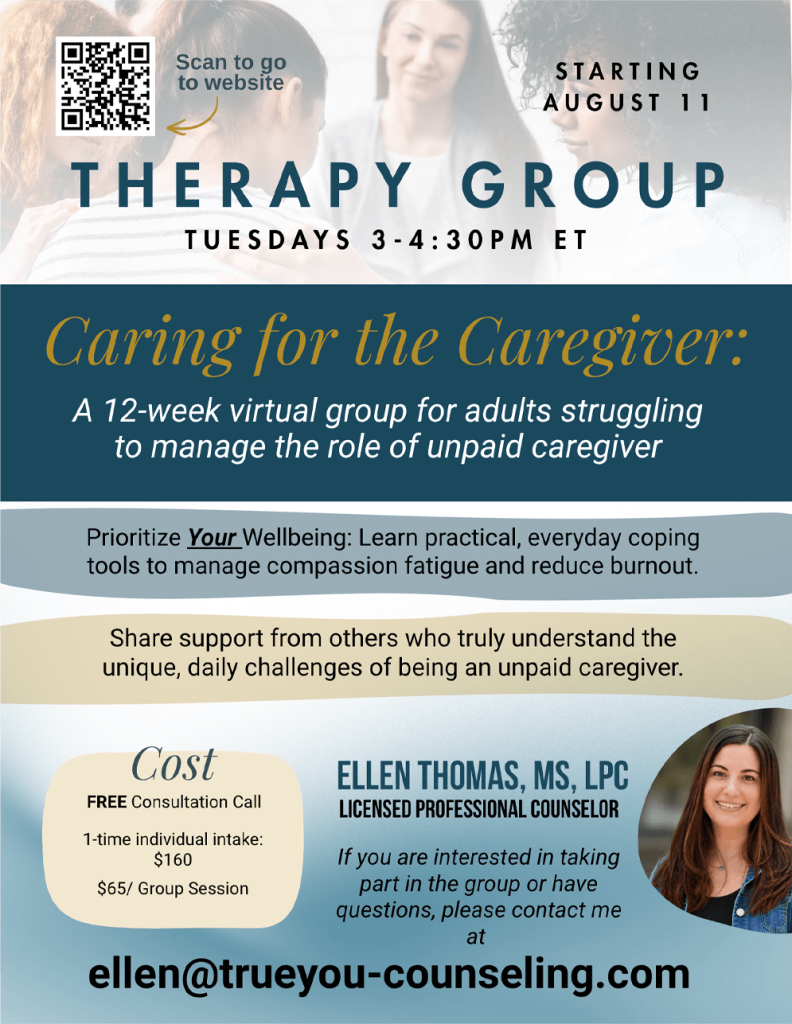
We did what therapists tend to do in uncertain situations—we prepared as best we could. We took a deep breath, made sure everyone was trained in telehealth, and started. The first few weeks were a little awkward—there were “you’re on mute” moments, pauses while everyone adjusted, and new technical hurdles—but something remarkable happened: clients still showed up. They still shared. They still connected. And over time, it started to feel… normal.
That experience shifted how I think about virtual therapy. It’s not a “lesser” version of care, it’s just different. And in many ways, it has unique benefits.
So… Does Virtual Therapy Really Work?
The short answer is yes—for many people.
Our program had always tracked progress with tools like the PHQ-9 (a depression inventory) and the GAD-7 (an anxiety inventory). When we compared in-person outcomes to virtual outcomes after a year, the results were clear: there was very little difference. Therapy still worked. People still improved.
Research backs up what we experienced in our program—that telehealth counseling can be just as effective as in-person therapy for many concerns. From my own experience, I’ve seen clients make meaningful progress, even in groups, while attending from home. We also saw an increase in patients joining us from rural areas where there had been limited options previously.
Of course, virtual therapy isn’t the right fit for everyone. Some people simply prefer meeting in person, don’t have a private space at home, aren’t comfortable with technology, or need additional support that telehealth can’t provide. That’s okay—therapy should meet your needs, not the other way around.
3 Benefits of Virtual Therapy
1. Accessibility
Virtual therapy removes geographic and logistical barriers.
You’re no longer limited to therapists within driving distance, which makes it easier to find someone who specializes in exactly what you’re navigating—whether that’s chronic illness, caregiving, or managing stress and burnout in a high-demand job.
It also makes therapy more realistic for those with driving or mobility limitations, unpredictable symptoms, or caregiving responsibilities. You don’t need to spend energy commuting—you can bring that energy directly into your session.
2. Flexibility
Sessions can fit into your real life.
You can join from your parked car during a lunch break, from a quiet space at the office between meetings, or from a room in your home while someone you’re caring for is resting. I’ve even had a client join from their hospital bed during an unexpected stay. There’s no commute or traffic and no extra time needed to get to and from the office—if you’re in Atlanta like I am, you understand the struggle!
This flexibility can make therapy feel realistic and sustainable—especially for busy adults balancing work, family, or caregiving responsibilities. I’ve had clients tell me that this flexibility is the reason they finally started therapy—or why they’ve been able to stick with it consistently. That consistency is often what makes the biggest difference.
3. Comfort
There’s something special about being in your own space.
You can wear comfortable clothes, sit on your couch or bed, and wrap up in a blanket. Your dog might curl up next to you, or your cat might make an appearance on screen (which is always welcome). Little comforts like these can help you feel more grounded and supported, which makes it easier to open up.
Being in a familiar environment often makes therapy feel more approachable which allows us to dive deeper into the issues that really matter. Therapy becomes less about fitting into an office environment and more about what’s actually helpful for the person in front of me.
Who Virtual Therapy May Not Be For
Virtual therapy isn’t the right fit for everyone.
Some people prefer the energy of an in-person session. Others may not have a private space at home or need more intensive support than telehealth can provide.
The goal of therapy isn’t to force yourself into a format that doesn’t work—it’s to find the setting that helps you feel safe, supported, and able to make progress.
Getting Started With Virtual Therapy
Getting started is simple. All you need is:
- A private space
- A reliable internet connection
- A device with a camera and microphone
I personally use a HIPAA-compliant platform through SimplePractice. My clients receive a secure link before each session. If they’re on a computer, they can join from their browser. If they’re on a phone or tablet, they just download the free app.
The technology is easy to use so you can focus on the session itself, not the setup.
Final Thoughts
If you had asked me a few years ago how I felt about virtual therapy, I would have told you I was skeptical.
What I’ve learned since then is that therapy isn’t defined by the room you’re in. It’s defined by the connection, the consistency, and the willingness to show up.
Now, I see it as flexible, effective, and deeply supportive. Not better than in-person therapy. Not worse. Just different—and for many people, it’s exactly what makes getting help possible and is a better fit than they expected.
If you’re on the fence, it’s okay to feel unsure. I was too. Sometimes the only way to know if something works for you is to give it a try and see what happens.
Curious if virtual therapy is right for you? I offer free virtual consultations to help you get a feel for it. Schedule your consultation now.